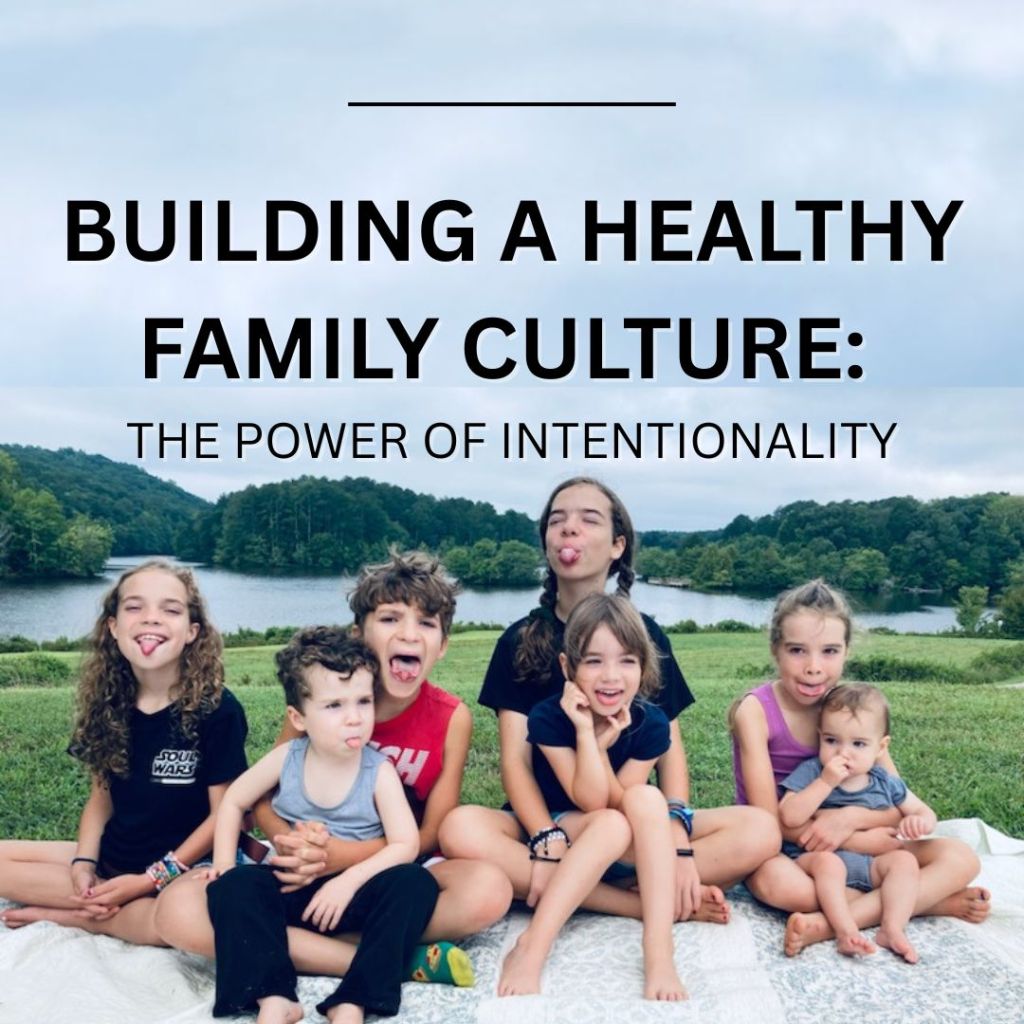
Have you ever walked into someone’s home and immediately felt something intangible—the warmth, the unity, the sense of belonging?
I know I have! I remember when Katrina and I first started having kids, we visited a family from our church. As we walked into their home, they were just finishing a family prayer time. Though their children were young, it was clear that each of them had a deep reverence for the Lord and for prayer. They said “Amen” and warmly welcomed us in.
Throughout the evening, we observed the rich culture of their family. Their two young sons responded to me with a respectful “yes, sir” each time we spoke. Their daughters attentively engaged with our kids, allowing the adults to connect. At dinner, they held hands, prayed together, and then sang a beautiful song of worship and gratitude. Katrina and I were in awe.
This type of family culture does not happen by accident. It’s the result of a family culture that has been cultivated over time, either intentionally or passively. Every home has a culture, whether you realize it or not. The question is: Are you shaping yours with purpose, or are you letting it form by default?
This blog is the first in a series on Building a Healthy Family Culture. In this post, we’re starting with the foundation: Intentionality.
A Family Culture is a Combination of What You Make Happen and What You Allow to Happen
Family culture isn’t built overnight. It’s the result of small, consistent decisions—what you prioritize, how you handle conflict, the tone of your conversations, and even the rhythms of daily life. Some of these elements are things you deliberately set in motion, while others creep in simply because they weren’t actively addressed.
For example, if you make a habit of eating dinner together, having deep conversations, and praying as a family, you’re intentionally shaping a culture of connection and faith. On the other hand, if screen time slowly takes over family interactions, or if busyness keeps everyone moving in different directions, a culture of disconnection forms—whether you meant for it to or not.
Your family culture is happening right now. The question is: Is it forming into the culture that you want?
The Danger of Passivity
The truth is, if you’re not actively building your family culture, something else is doing it for you—whether it’s external influences like media and peers or simply the natural drift of life’s demands. Without intention, it’s easy to fall into patterns that don’t align with your values.
- Maybe conflict in your home tends to escalate rather than resolve, and that pattern is becoming the norm.
- Maybe gratitude isn’t modeled often, and complaining has taken root.
- Maybe busyness has replaced quality time, and relationships feel distant.
Passivity isn’t neutral—it’s the open door through which unhealthy patterns enter and take residence. The good news? A culture left to chance can be reshaped through intentional effort.
Considering the Long-Term Outcomes
It’s easy to get caught up in the immediate chaos of parenting—the endless laundry, the sibling squabbles, the looming deadlines. But family culture isn’t just about today. It’s about the legacy you’re building.
Take a step back and ask:
- What kind of adults do I want my children to become?
- What memories do I want them to carry from their childhood?
- What values do I want deeply rooted in our home?
Your answers to these questions should shape how you parent today. Yes, the stresses of the moment are real, but when you zoom out to the bigger picture, you’ll realize that every decision—how you discipline, how you speak to one another, how you spend your time—is contributing to the family culture that will define your children’s upbringing.
Defining the Objective of Family
If you want to be intentional about your family culture, you need to define what you’re aiming for. A vague sense of “wanting a good family” isn’t enough. What does a healthy family culture look like for you?
Here are three key objectives worth considering:
Offering God a Pleasant Aroma
In Scripture, we see the idea of our lives being a “fragrant offering” to God (2 Corinthians 2:15, Ephesians 5:2). This applies to families as well. When our homes reflect love, peace, forgiveness, and faithfulness, they become a place where God is honored—not just in name, but in daily reality.
Does your home reflect His presence? Do your interactions point your children toward Him? A family culture that prioritizes God isn’t perfect, but the way we build it—through love, grace, and faith—becomes a fragrant offering to Him. When we seek Him in both our successes and struggles, our home becomes a place where His presence is not just acknowledged, but welcomed.
The way we live and the culture we cultivate in our homes can rise like a sweet aroma to the Lord, bringing Him joy. Building an intentional family culture around Gospel-centered principles isn’t just beneficial for our children—it is an act of worship that pleases God.
Long-Term Connection
The relationships within a family should be built to last. It’s easy to assume that just because you live together now, you’ll stay connected forever—but relationships require ongoing investment.
How do you cultivate long-term connection? (This isn’t an exhaustive list, but these are some topics. I’ll be writing about in this series)
- Open and Vulnerable Hearts: A thriving family culture begins with hearts willing to be seen, known, and loved without fear of rejection.
- Love Built on Foundations of Trust: Genuine love flourishes when trust is consistently nurtured through honesty, reliability, and faithfulness.
- Love & Order: Kids cannot run a family, and parents are not meant to be cold-hearted dictators. A healthy family thrives when mutual love and respect are paired with Godly order, where parents lead with selfless love while teaching children to respect authority. This balance creates a strong family culture that nurtures growth and allows both parents and children to flourish.
- Confession and Repentance: A healthy home embraces humility, where admitting wrongs and seeking forgiveness restores relationships and reflects God’s grace.
- Courageous Conversations: True connection is built through honest, grace-filled discussions that address challenges, deepen understanding, and strengthen bonds.
- Discipleship Through Family Rhythms: Building a family culture is all about discipleship. The Holy Spirit is trying to form Christ and us as parents and in our children. This can happen in isolated moments, but it has exponential power when we we spiritual practices into our family culture. 
The goal isn’t just to raise children who respect you as parents, but to foster lifelong relationships where love, trust, and genuine friendship remain long after they leave home.
Empowering Kids to Be Successful Adults
Parenting is ultimately about preparing children for the world beyond your home. Success isn’t just about academics or career paths—it’s about character, responsibility, and emotional resilience. Your children won’t stay under your roof forever, but the culture you create now will shape the kind of people they become. The daily habits, values, and relationships they experience in your home will serve as a foundation for how they navigate life’s challenges. By intentionally building a home centered on faith, love, and wisdom, you equip them to thrive long after they leave.







Leave a Reply