Tag: story

  • Love Built on Trust: Rebuilding the Foundations of Our Relationship

    Love Built on Trust: Rebuilding the Foundations of Our Relationship

    One night, Katrina and I found ourselves in the middle of one of those arguments. You know, the kind where you’re trying to clean the house and fold laundry, but the tension between you makes it almost impossible to focus on anything else. As we went through the motions, Katrina, sitting on the floor in the doorway to our closet, said something that pierced me straight to the core: “Robby, I can’t trust you.” (This article is part of the Building A Healthy Family Culture series – Read part 1 here).

    At that moment, time seemed to freeze. We were nine years into marriage, and I had always thought we had a pretty solid relationship. What was happening? How had we reached this point?

    Trust: The Core of Every Great Relationship

    In 2014, our church went through a series of books by Patrick Lencioni, a leadership expert and author of several business books, that outline a framework for building a healthy team culture. His insights have shaped the way I view relationships, particularly in ministry and marriage. One key concept he emphasizes is that every great team is built on a foundation of trust. Whether in a nonprofit, a sports team, or a corporate setting, trust enables teams to go further, faster. The same is true in marriage—trust is the foundation on which everything else is built. Without it, deep connection, understanding, and fulfillment become much harder to achieve. 

    But here’s the catch: trust doesn’t just happen. It takes intentional effort to build, and even more effort to rebuild when it’s broken.

    Building Trust: The Core of Healthy Conflict

    When trust is strong, it creates a safe space for deep connection and courageous conversations. But when trust fractures, even the most constructive conversations can slip into unhealthy conflict. God uses marriage, and all relationships, to grow us and form Christ in us. If the foundation of trust is not secure, it becomes harder to navigate issues that arise in a healthy way.

    I’ve written before about the importance of staying away from “false harmony” (Lencioni’s term), and how it can mask underlying issues. It’s easy to pretend everything is fine, but without trust, this facade can quickly crumble when conflict arises. Healthy conflict is not about avoiding tough conversations, but about addressing them with honesty, vulnerability, and respect. This is the trust we need to rebuild.

    The Sobering Reality: Trust Will Be Broken

    Here’s the sobering truth: trust will be broken at some point in every relationship. You may not face a “level 10 betrayal,” but as long as you’re two humans full of flesh and pride, there will be moments where trust is fractured. And that’s okay—as long as you don’t leave it unattended.

    The key is how you respond. Are you willing to face the hurt, address the issue, and work through it together? Trust is a living, breathing thing—it requires constant care and attention.

    Evaluating Trust: Are There Fractures?

    One of the ways to evaluate the health of your trust is to ask: What areas in our relationship are we anxious about having conversations? These are often the areas where trust has been broken or left unaddressed.

    During that argument with Katrina, when she said, “I can’t trust you,” something shifted in me. Out of nowhere (completely by the grace of God), I said, “Well, I guess we’ll just have to build trust then!” I didn’t know exactly what I was committing to, but I felt a resolve in my heart that we needed to rebuild. When I said yes, I had no idea what I was truly getting myself into.

    Rebuilding Trust: Our Journey

    For the next three months, Katrina and I dedicated ourselves to building trust from the ground up. We started by identifying every area where we felt hesitant to talk about. We made a list of nine areas—parenting, finances, sex, housekeeping, and more. Some of those areas felt discouraging to acknowledge. How had we arrived at this point? But we were determined to rebuild, and that was the first step toward healing.

    Through countless honest and vulnerable conversations, we slowly began to rebuild. Many of these talks were painful, as I had to face how my actions—or lack of action—had fractured the foundation of our relationship. Some of these conversations were filled with tears, but each one demanded our fierce commitment to humility and radical ownership. 

    Over time, our foundation grew stronger. We realized that rebuilding trust isn’t just about fixing specific issues; it’s about fostering a new level of transparency, vulnerability, and mutual respect.

    Moving Forward: The Power of Trust

    Today, our marriage is stronger because we’ve taken the time to rebuild trust. It didn’t happen overnight, and it took intentional effort. But that effort has allowed us to engage in healthier, more honest conversations. We’re better equipped to navigate conflicts with grace, knowing that we have each other’s backs and that trust is at the center of it all.

    Trust, like any core principle, needs constant care. It can’t be taken for granted. But when you intentionally nurture it, it becomes the foundation of everything else in your relationship. And when trust is strong, everything else becomes easier—communication, connection, and even conflict become more manageable.

    If you’re facing fractures in your own core of trust, know that it’s possible to rebuild. It starts with a willingness to acknowledge the issues, have those difficult conversations, and commit to the process of healing. Trust can be restored, and when it is, the depth of your relationship will grow stronger than ever.

    The core of trust is essential for a thriving relationship, whether in marriage, friendships, or any other connection. It takes effort to build, and it requires even more effort to rebuild when broken. But with patience, intentionality, and grace, you can restore trust and create a foundation that supports deep connection, meaningful conversations, and healthy conflict. Trust is not a one-time thing—it’s a continuous journey that, when nurtured, leads to stronger, more fulfilling relationships.

    Prayer: Lord, please give me discernment to recognize where trust may be broken in my relationships. Grant me the courage to have open and honest conversations, and help me face the painful truths with humility, vulnerability, and a deep commitment to rebuilding trust. Restore what has been fractured by Your grace, and may Your love be the foundation that guides me toward deeper connection, honesty, and mutual respect. In Jesus’ name, we pray. Amen.

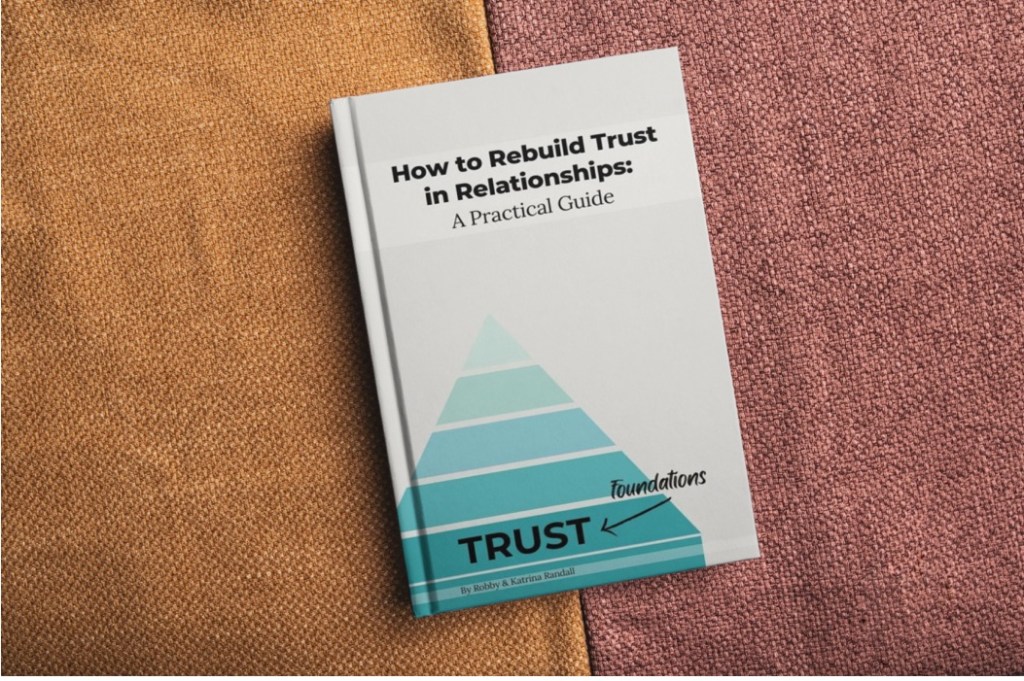
    (Possible next step: Katrina and I put together a FREE downloadable guide to rebuilding trust that you can check out here) 

  • Part 4: Becoming the Guide

    Part 4: Becoming the Guide

    The greatest heroes don’t just win battles—they pass on wisdom. Heroes don’t just fight battles and claim victory; they share the lessons they’ve learned along the way. Just as we were once victims or villains, transformed into heroes by God’s grace, we too are invited into the next phase of the journey: becoming guides. The truth is, every hero, no matter how strong or courageous, is in desperate need of a guide. The challenges of life are too great to face alone, and even the most heroic among us need someone to walk alongside them, offering wisdom, encouragement, and perspective. The transformation doesn’t stop at our own victory—it expands, inviting us to lead others toward their own. The greatest heroes are those who, having conquered their own battles, now show others the way.

    What Makes A True Guide?

    Guide Are Humble 

    First and foremost, guides are humble. They don’t seek the spotlight or crave recognition for their wisdom; instead, they understand that the journey is never about them. True guides recognize the cost of their own journey and, rather than boasting about their victories, they share their wisdom with quiet humility. Their ultimate goal is not to elevate themselves, but to empower others to succeed. Jesus, though fully God and in the highest place of authority, was motivated by love and selflessness. He humbled Himself, took on human flesh, and became a servant to all, offering not just wisdom but life—life to the fullest, and an invitation to live abundantly.

    Guides Are Empathic Because They Were Once Victims/Villains that Became Heroes

    A true guide’s wisdom doesn’t come from theory—it is shaped by their own lived experiences. Having walked through their own battles, they understand the weight of struggle and the power of transformation. Their past struggles don’t just make them compassionate; they give them the kind of perspective that can only be gained by enduring hardship and emerging victorious. The best guides don’t simply know the way—they understand the pain of walking it. They listen deeply, not just offering advice, but truly hearing and learning the other person’s story, pain, and journey. Their empathy isn’t superficial; it’s born from their own redemption, enabling them to walk alongside others with genuine understanding and grace.

    They Don’t Just Fix – They Call into Destiny

    A guide’s role is not to take over but to walk alongside. The journey isn’t about providing quick fixes, but about empowering others to step into their own destiny. Job’s friends got it wrong—they tried to fix him instead of simply being present with him in his suffering. The best guides don’t attempt to take control; instead, they come alongside, offering support, perspective, and encouragement. They call people out of being victims or villains and into their heroic purpose. A true guide doesn’t enable self-pity or allow others to remain stuck in their pain or bitterness. Instead, they challenge others to rise above their circumstances, reminding them that they have a part in God’s larger story. Guides call others into their true identity in Christ, helping them see that they are not defined by their past struggles but by the heroic future God has called them to embrace.

    The Power of Being Present

    The power of presence often outweighs the power of advice. A good guide doesn’t just offer advice and walk away—they remain steadfast, walking alongside others through their journey. Presence communicates more than words ever could; it conveys value, safety, strength, and courage. Too often, we underestimate the profound impact of just being there with someone in their struggle. Looking someone in the eye and affirming the glory of God that you see in them could transform their life, reminding them of their worth and calling. For parents, spiritual mentors, or close friends, presence is one of the most valuable gifts we can offer. Jesus Himself demonstrated this beautifully by walking with His disciples, living life with them, not simply teaching them from afar. His presence empowered them in ways words alone never could.

    Guides Leave the Responsibility with the Hero

    A true guide equips, encourages, and supports, but they cannot walk the journey for someone else. No matter how much wisdom they offer, the responsibility to step forward ultimately belongs to the hero. Even Jesus, after teaching and mentoring His disciples, did not force them to follow Him—He left them with the responsibility to spread the Gospel and carry out their calling. A guide must resist the temptation to control or dictate outcomes. Instead, they empower others to make their own choices, trusting that God is at work in their journey. True transformation happens when a person takes ownership of their path, and a good guide knows that their role is to inspire, not to steer.

    Stepping Into Your Role as a Guide

    The journey from victim to villain to hero doesn’t end with our own transformation—it finds its fullest meaning when we become guides for others. And the truth is, it doesn’t matter what age you are; you can be a guide to someone in their story. Being a guide isn’t reserved for the experienced or the wise—it’s part of being human, and even more so, part of being a Christian. Loving and preferring others means walking alongside them, offering encouragement, wisdom, and presence. The beauty of this journey is that you don’t have to choose between being a hero and being a guide. At any given moment, you can be both—still needing guides in your own life while also guiding others toward the calling God has for them.

    Now it’s your turn.

    Who is someone that God has placed in your life that you can be a guide to? What value—whether wisdom, encouragement, or simple presence—can you bring to their journey? And how might you shift your mindset to be more of a guide rather than slipping into the roles of victim or villain? Your story and experiences are not just for you—they are meant to be shared so that others can rise into the heroes they were created to be.

    Becoming an Intentional Father

    Fathers! God has entrusted you with something incredibly special, something sacred. He has placed in your hands the stewardship of His image: first, by forming His image-bearers (yes, those wild kids of yours), and second, by living as an image-bearer yourself, revealing and representing Him to your family. And beyond that, you’re responsible for shaping…

    Shepherding Your Child Through Porn Exposure

    When the Enemy Hunts Your Kids: Teaching Them to Run to Jesus This was a question from a recent parenting seminar we hosted: What tips can you give about navigating your child being exposed to pornography and helping them not have that become a stronghold in their life? – Every parent who loves Jesus longs…

    The Power of Home: Shaping Identity in a World That Wants to Deform It

    One of my mentors once told me that our deepest longing is the longing for home. I see this echoed in culture when Dorothy in The Wizard of Oz says, ‘There’s no place like home,’ and when countless décor signs repeat the simple phrase, ‘Home Sweet Home.’ When I reflect on what it means for…