
One of my mentors once told me that our deepest longing is the longing for home. I see this echoed in culture when Dorothy in The Wizard of Oz says, ‘There’s no place like home,’ and when countless décor signs repeat the simple phrase, ‘Home Sweet Home.’ When I reflect on what it means for our deepest longing to be home, I find myself drawn to the words that ultimately shape how we define it.
The word home can stir up different images and emotions for each of us. For some, it brings to mind warmth and acceptance. For others, it stirs memories of pain, loss, or disconnection. Many of us fall somewhere in between, where home becomes a bittersweet reality, something we love the idea of, yet the ideal of what it could be always feels just out of reach.
This blog is written for those who want to intentionally shape what the word home means for their family. It’s an invitation to pause, reflect, and choose the values, rhythms, and memories that will define home, not just as a place, but as a living expression of who you are together.
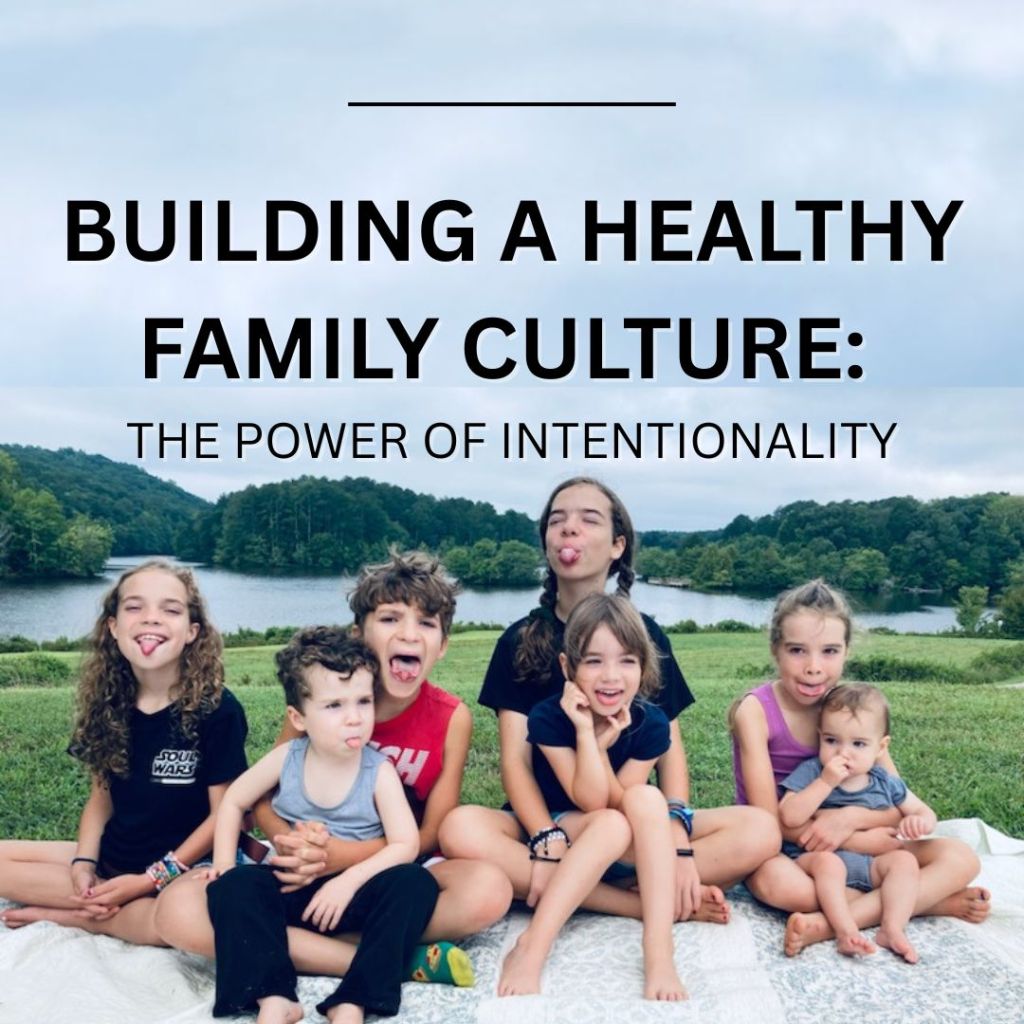
I asked some of my girls what the word home means to them. Here’s what they said:
Anzi, our 9-year-old, said home is ‘a building with rooms and beds and food, somewhere our family lives.’ Avagail added, ‘the place we sleep.’ Those answers capture what a home is… but what does it feel like? Anzi described it as ‘a place you are excited to go to when you are coming home from a trip.’
They went on to say that home is ‘safe, happy, and a place of rest.’ Maryrose shared, ‘a gathering place where my family sees each other and connects with each other.’
Then Avagail got honest and said, ‘A place of peace and rest… well, sometimes.’ When I asked her what it is when it’s not peaceful, she laughed and replied, ‘crowded and crazy!’ (With six siblings, what else could I expect?)
Their words capture some of what every human soul longs to find in home.
For me, home is also the place that forms identity and equips kids to be successful adults.
Home: Where Identity is Formed
Evil is hunting our kids’ identity. As parents, we can’t stop the attacks, but we can prepare our children to face them. We can teach them to be wise to the enemy’s strategies and to recognize the lies for what they are. The enemy doesn’t fight fair, he fights cheap, and he would love nothing more than to twist or deform the way our kids see themselves.
But God has a different plan. He wants our children to know deep in their hearts that they are loved, chosen, and valuable.One of our greatest honors as parents is to reflect that love, to be the echo of God’s voice in their lives.
When we remind them again and again who they are in Him, we are building an identity that can’t easily be shaken.** A firm identity in Christ will prepare them to face the challenges of life with courage, wisdom, and hope.
Home: Being Equipped to Be Success Adults
As parents, one of the greatest gifts we can give our kids is the foundation to thrive in life. That means helping them learn discipline, not in a harsh way, but in the steady, daily choices that shape character. It means showing them that hard work is worth it, not because life is easy, but because perseverance produces fruit. It also means guiding them into healthy habits and rhythms that will carry them when life feels chaotic.
Beyond that, our kids need to grow in emotional intelligence, especially in how to walk through conflict with honesty and grace. Conflict will come, both in friendships and in family, and our role is to equip them with tools to handle it in a way that leads to reconciliation instead of resentment.
Home is the place where they begin practicing emotional intelligence, learning how to manage their feelings, notice the emotions of others, and move through conflict in a way that strengthens relationships rather than breaking them down. Home is the training ground where these lessons take root. If they can practice these things here, in the safety of family, they’ll be prepared to live them out in the world.
Rhythms is what establishes these
What do I want formed in my kids? That’s a question I come back to often, because the answer helps shape the rhythms of our home. If I don’t stop and ask that question, it’s too easy to drift into survival mode, just hoping to get through the day instead of intentionally forming the kind of men and women we want to send into the world. One of the rhythms I’ve found most important is affirmation, parents choosing to speak identity over their kids. Our children need to know who they are and whose they are. That means calling out their strengths, celebrating the things they do well, and naming the good we see in them. But it also means not glossing over their weaknesses. When we affirm them truthfully, we give them both courage and humility.
Another rhythm we lean into is character development. As Charlotte Mason reminds us, “The habits of the child produce the character of the man.” Habits become patterns, and patterns become identity. That’s why we can’t just hope character shows up later, it has to be formed in the little, daily practices now. Hard work is part of this. Our kids need to learn how to keep going even when they don’t feel like it. Sometimes that looks like finishing chores for no other reason than they need to be finished. Sometimes it’s pushing through with schoolwork or responsibilities when their emotions are telling them to quit. That simple lesson, “do it anyway,” forms grit that will serve them for the rest of their lives.
We also want to cultivate rhythms of creativity. Children discover who they are when they have the freedom to explore their own interests and abilities. Too often, parents push kids into sports or activities they themselves like, without paying attention to what really fits the child’s personality, body, or spirit. What if your son’s soul comes alive on a rock-climbing wall more than on a baseball field? What if your daughter’s joy is found in painting rather than in soccer? That means giving them margin, especially free time that isn’t dominated by devices, so they can actually get bored enough to create, imagine, and step into something new.
All of this comes back to family rhythms. When we establish rhythms of affirmation, character, hard work, and creativity, we are intentionally shaping identity instead of leaving it up to chance. These aren’t just chores or routines; they are seeds planted deep in the soil of who our children are becoming. And someday, those seeds will bear fruit in the way they live, love, and serve in the world.
** Our kids, like all of us, need to come to personal faith in Christ. They must believe in their hearts and confess with their mouths in order to be children of God (Romans 10:9–10). Until that moment of faith, they are still deeply loved, valuable, and made in God’s image. This truth reminds us that while salvation is always God’s work, our role as parents is to point them to Jesus, pray for their hearts, and model the kind of faith we hope they will one day make their own.
Reflection:
What qualities do you most want to see formed in your kids?
What influences are currently shaping those qualities in them, for better or worse?
What things might you need to remove or adjust to make space for healthy growth?
What new rhythms could you begin putting in place to form what matters most?






 The Randalls