Category: Growth

  • Becoming an Intentional Father

    Becoming an Intentional Father

    Fathers! God has entrusted you with something incredibly special, something sacred. He has placed in your hands the stewardship of His image: first, by forming His image-bearers (yes, those wild kids of yours), and second, by living as an image-bearer yourself, revealing and representing Him to your family.

    And beyond that, you’re responsible for shaping a family culture of humility, love, and a shared vision compelling enough to keep your children connected and anchored. This assignment is weighty and beautiful, and it’s far too big to carry alone. You need loyal comrades beside you, men who strengthen, support, and walk with you.

    Will you respond to the call?

    1. Knowing God as a Good Father

    Before we can father with clarity and confidence, we have to settle something deep in our own hearts: Who is God as Father? Intentional fatherhood begins with a biblical conviction that God does not simply act like a Father—He is a Father in His very nature. Scripture consistently reveals a God who guides, corrects, protects, and delights in His children. If we want to lead our families well, we must let this truth reinterpret every other picture of fatherhood we’ve inherited.

    But knowing God as Father is more than theology: it’s experiential. It means choosing to live as a beloved son, not a spiritual orphan scrambling for worth. It’s allowing God to father us in our weakness, our confusion, and even our immaturity. Luke 15 gives us a powerful window into this reality: both sons were lost, not because of their behavior, but because neither was living as the beloved. Intentional fatherhood grows in the soil of being parented by God ourselves.

    (Recommended book: If you’re longing to know God as a Father in a deeper way, I highly recommend Fathered by God by John Eldredge. He lays out the stages of the masculine journey and how God walks with us, fathering us, through each one.)

    Pause:

    On a scale from secure to insecure, how would you rate your experience of living as a beloved son, letting God father you, shape you, and speak identity into you?

    What is one practical step you can take this week to grow in knowing God as your Father?

    2. The Purpose of Fatherhood

    Psalm 8 reminds us that humanity has been “crowned with glory and honor.” One of the greatest honors given to us is the calling to reveal and represent God on the earth. Fatherhood isn’t just a biological role, it’s a spiritual invitation to reflect the heart, strength, and character of our Heavenly Father within the walls of our own home.

    And yet, humans totally fail at living in this glory and honor. But Hebrews 2 shows us that Jesus steps in, fulfills what we could not, and restores to us the opportunity to live in this honor again.

    The purpose of being a father is first and foremost to reveal and represent God to your children. Every moment of presence, correction, delight, and guidance is meant to paint a living picture of who God is. This calling is both a privilege and an honor, a sacred trust, not a burden. And it also carries weight: responsible leadership, sacrificial love, and steady faithfulness are part of the stewardship God places in our hands.

    Every father must decide: Will I play my part? Will I intentionally reveal the Father’s nature, or will I leave that picture blank for my children to fill in on their own?

    Pause: On a scale from engaged to disengaged, how intentionally are you embracing your role as a father who reveals and represents God to your family?

    3. The Mission of Fatherhood

    The mission of fatherhood reaches far beyond behavior management or keeping the peace at home. Our calling is to form mature adult disciples, not merely compliant children who behave well in the moment but lack depth in adulthood. Fatherhood is discipleship, and discipleship is always aiming at long-term formation. Being a father is not about “solving” the immediate parenting challenge that you are facing at this moment. It is about shaping your children so that they will be thriving adults that trust God regardless of the circumstance. 

    This mission begins with character and Christlikeness. Our children need more than rules, they need identity, integrity, and a growing intimacy with God. They need fathers who teach them who they are and whose they are.

    A key part of this is self-awareness. Fathers who understand their own strengths, weaknesses, wounds, and tendencies can lead with authenticity instead of pretense. Kids can feel the difference. A self-aware father creates safety because he leads from humility, not ego.

    Ultimately, we lead from who we are. You reproduce what you are, not just what you say. Your children will inherit your habits of heart more than your lectures. Transformation in you becomes transformation in them.

    Pause: On a scale from engaged to disengaged, how consistently are you pursuing your own growth so that what you reproduce in your children comes from a place of genuine transformation?

    4. Leading a Strong Family Culture

    One of the most helpful illustrations I’ve come across is the idea of “jumping ship.” If our family is a boat sailing toward Jesus, every child eventually asks—whether silently or out loud—“Is our family story compelling enough to stay on board?”

    If the story they experience at home feels flat, chaotic, or joyless, they’ll start looking for another one that feels more alive. And if they decide the family ship isn’t compelling enough to invest their life into, that’s when “jumping ship” happens.

    But here’s the sobering part: once they jump, you have no control over which ship they climb onto next. Maybe it’s another Christ-centered family sailing toward Jesus, but it could just as easily be an unhealthy friend group, a peer culture shaped by confusion, or a family with agnostic values that quietly pull them away from Christ. 

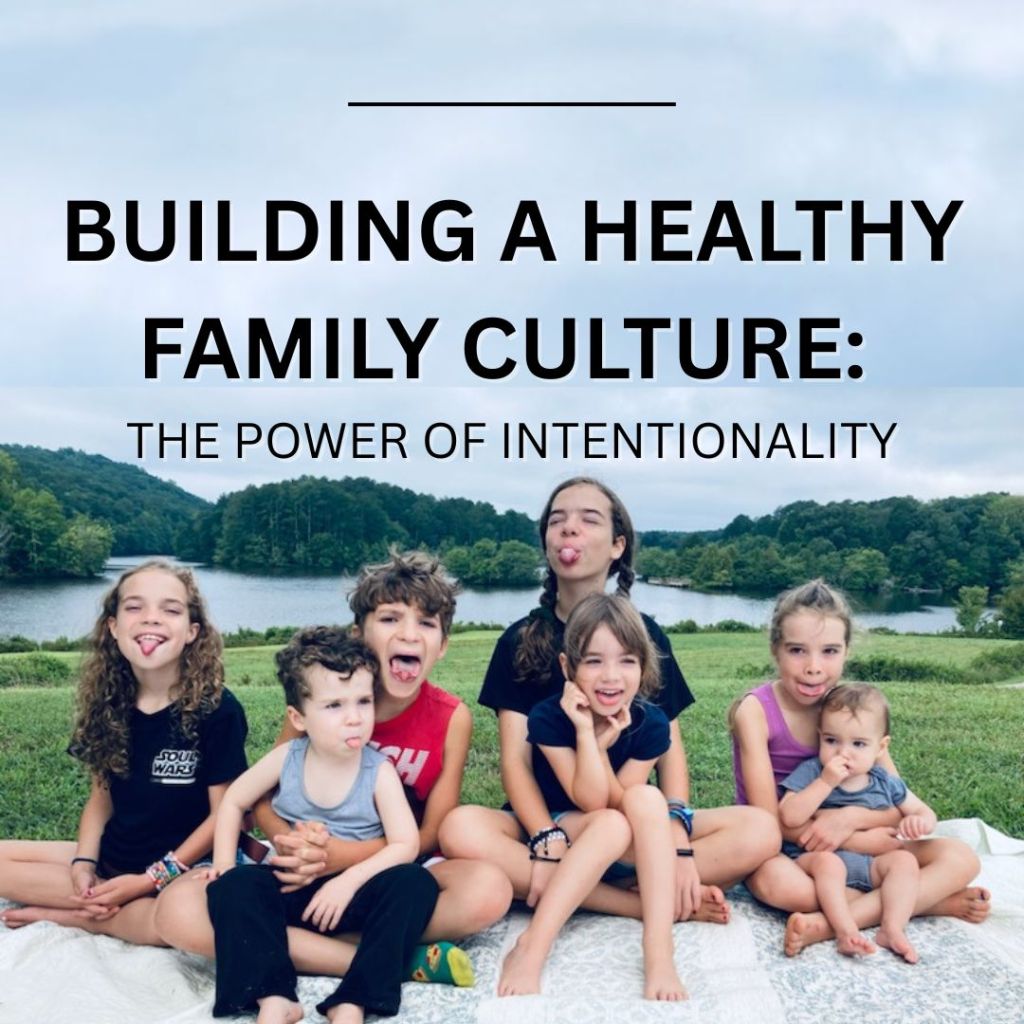
    A father’s job is to help cultivate a family culture that inspires ownership, belonging, and buy-in. A healthy, intentional family culture rests on a few key components:

    Values: What gets celebrated and what gets corrected. This is how children learn what matters most.

    Stories: The language, testimonies, and memories that reinforce identity. Your family is part of God’s larger story, and every child needs to know they have a part to play.

    Sacred Rhythms: Meals, prayer, Sabbath, adventures, serving together, shared experiences that bond the family and anchor the heart.

    Reflect: On a scale from engaged to disengaged, how intentionally are you shaping your family culture, rather than letting it form on its own?

    5. Support and Growth

    Fatherhood is not meant to be lived alone. Scripture is clear that we are in a spiritual battle, evil is hunting, and isolation only makes us more vulnerable. Fathers who try to carry the weight by themselves often end up exhausted, defensive, or discouraged. Strong fathers are not the ones who “muscle through,” but the ones who build support around their lives. You don’t have to be a perfect father. But you do have to be a father who refuses to walk alone.

    Examples: 

    • Guidance from mentors, older fathers, and spiritual fathers gives us perspective we can’t gain on our own. Others have walked the road and can help us avoid ditches we don’t yet see.
    • Peer brotherhood provides shared learning and accountability; men who encourage, challenge, and sharpen us.

    And resources—books, podcasts, retreats, formation tools—give us practical help to keep growing as leaders and disciples.

    Pause: On a scale from no support to very supported, how well are you inviting guidance, brotherhood, and community into your journey as a father?

    Who or where could you pursue additional support, wisdom, or encouragement as you continue to grow?

  • Your Habits Form What You Love 

    Your Habits Form What You Love 

    “Do not conform to the pattern of this world, but be transformed by the renewing of your mind. Then you will be able to test and approve what God’s will is: his good, pleasing and perfect will.”

    – Romans 12:2


    Your habits form what you love.

    At my last grad school intensive, I walked into a room I had never been in before. I scanned the room to find the best seat. (I’ve always been a back-row student.) I spotted a spot at the back table on the aisle, with a clear view of the professor. I set my stuff down and claimed it as “my spot” for the rest of the week. By the end of the day, I noticed each of my classmates had done the same.

    Back in the 1700s, someone started calling humans “creatures of habit,” and it’s stuck ever since. For good reason. You can see it in the way we pick seats, how we get ready in the morning, or even how we make decisions. Habits are the building blocks of our lives. Some would even say we are the sum of our habits.

    And here’s the thing: habits don’t show up by accident. The world around us is constantly nudging us into patterns. Everywhere we go, something is shaping us. It’s like background programming we don’t always notice.

    Some of these environments are intentional, like designers creating apps to keep you scrolling or stores to make you buy more. Others are unintentional, like family rhythms or friend groups that shape us without our even realizing it.

    In a capitalist society, major corporations are constantly working to convince us to build habits around their products and services. Sometimes those habits may help us, but often corporations design them to exploit us. Either way, the point is clear: something is always training us. As Paul said, we are being “conformed to the pattern of this world.”

    Now, you might push back: “No! I’m a Christian. I’m filled with the Spirit. I’m not being conformed to the world.” But remember, Paul wasn’t writing to nonbelievers. He was (and still is) warning the church not to let the world’s systems, values, and loves shape us. Instead, he offers an alternative: “Be transformed.”

    That word means God completely changes you into something new. But notice, Paul doesn’t say “be transformed instantly, in the blink of an eye.” (That day will come when Christ returns.) Instead, he calls for transformation over time through “the renewing of your mind.”

    James K. A. Smith, in You Are What You Love, argues that this transformation happens through changing our habits. You could paraphrase Romans 12:2 like this: “Do not be conformed by the habits of this world to live like the world, but let your mind be rewired by the habits of the Spirit.”

    Paul connects this rewiring of your mind to discerning God’s will. In other words, your habits shape your loves, and your loves shape your ability to know and walk in God’s will.

    So what does this mean for us?

    • God made you this way. He knows that transformation is a process. He’s empathetic with you in the slow, sometimes messy work of forming Christ-like habits. Show yourself the same grace He shows you.
    • God empowers you to change. His throne is called the throne of grace. Grace doesn’t just forgive; it empowers (Titus 2:11–13). And Hebrews 4:16 reminds us we can “come boldly to the throne of grace” to find help in time of need.

    So here’s the invitation:

    • What habits are forming you right now?
    • How are the environments around you shaping you?
    • What Chris-forming habits are you practicing?
    • And what new habits might you need to begin?

    Maybe this week, take 15 minutes to do a “habit audit.” Identify one worldly habit you need to let go of and one Spirit-formed habit you could put in its place. Bit by bit, God uses these small choices to rewire your heart and mind for His kingdom.


  • Part 4: Becoming the Guide

    Part 4: Becoming the Guide

    The greatest heroes don’t just win battles—they pass on wisdom. Heroes don’t just fight battles and claim victory; they share the lessons they’ve learned along the way. Just as we were once victims or villains, transformed into heroes by God’s grace, we too are invited into the next phase of the journey: becoming guides. The truth is, every hero, no matter how strong or courageous, is in desperate need of a guide. The challenges of life are too great to face alone, and even the most heroic among us need someone to walk alongside them, offering wisdom, encouragement, and perspective. The transformation doesn’t stop at our own victory—it expands, inviting us to lead others toward their own. The greatest heroes are those who, having conquered their own battles, now show others the way.

    What Makes A True Guide?

    Guide Are Humble 

    First and foremost, guides are humble. They don’t seek the spotlight or crave recognition for their wisdom; instead, they understand that the journey is never about them. True guides recognize the cost of their own journey and, rather than boasting about their victories, they share their wisdom with quiet humility. Their ultimate goal is not to elevate themselves, but to empower others to succeed. Jesus, though fully God and in the highest place of authority, was motivated by love and selflessness. He humbled Himself, took on human flesh, and became a servant to all, offering not just wisdom but life—life to the fullest, and an invitation to live abundantly.

    Guides Are Empathic Because They Were Once Victims/Villains that Became Heroes

    A true guide’s wisdom doesn’t come from theory—it is shaped by their own lived experiences. Having walked through their own battles, they understand the weight of struggle and the power of transformation. Their past struggles don’t just make them compassionate; they give them the kind of perspective that can only be gained by enduring hardship and emerging victorious. The best guides don’t simply know the way—they understand the pain of walking it. They listen deeply, not just offering advice, but truly hearing and learning the other person’s story, pain, and journey. Their empathy isn’t superficial; it’s born from their own redemption, enabling them to walk alongside others with genuine understanding and grace.

    They Don’t Just Fix – They Call into Destiny

    A guide’s role is not to take over but to walk alongside. The journey isn’t about providing quick fixes, but about empowering others to step into their own destiny. Job’s friends got it wrong—they tried to fix him instead of simply being present with him in his suffering. The best guides don’t attempt to take control; instead, they come alongside, offering support, perspective, and encouragement. They call people out of being victims or villains and into their heroic purpose. A true guide doesn’t enable self-pity or allow others to remain stuck in their pain or bitterness. Instead, they challenge others to rise above their circumstances, reminding them that they have a part in God’s larger story. Guides call others into their true identity in Christ, helping them see that they are not defined by their past struggles but by the heroic future God has called them to embrace.

    The Power of Being Present

    The power of presence often outweighs the power of advice. A good guide doesn’t just offer advice and walk away—they remain steadfast, walking alongside others through their journey. Presence communicates more than words ever could; it conveys value, safety, strength, and courage. Too often, we underestimate the profound impact of just being there with someone in their struggle. Looking someone in the eye and affirming the glory of God that you see in them could transform their life, reminding them of their worth and calling. For parents, spiritual mentors, or close friends, presence is one of the most valuable gifts we can offer. Jesus Himself demonstrated this beautifully by walking with His disciples, living life with them, not simply teaching them from afar. His presence empowered them in ways words alone never could.

    Guides Leave the Responsibility with the Hero

    A true guide equips, encourages, and supports, but they cannot walk the journey for someone else. No matter how much wisdom they offer, the responsibility to step forward ultimately belongs to the hero. Even Jesus, after teaching and mentoring His disciples, did not force them to follow Him—He left them with the responsibility to spread the Gospel and carry out their calling. A guide must resist the temptation to control or dictate outcomes. Instead, they empower others to make their own choices, trusting that God is at work in their journey. True transformation happens when a person takes ownership of their path, and a good guide knows that their role is to inspire, not to steer.

    Stepping Into Your Role as a Guide

    The journey from victim to villain to hero doesn’t end with our own transformation—it finds its fullest meaning when we become guides for others. And the truth is, it doesn’t matter what age you are; you can be a guide to someone in their story. Being a guide isn’t reserved for the experienced or the wise—it’s part of being human, and even more so, part of being a Christian. Loving and preferring others means walking alongside them, offering encouragement, wisdom, and presence. The beauty of this journey is that you don’t have to choose between being a hero and being a guide. At any given moment, you can be both—still needing guides in your own life while also guiding others toward the calling God has for them.

    Now it’s your turn.

    Who is someone that God has placed in your life that you can be a guide to? What value—whether wisdom, encouragement, or simple presence—can you bring to their journey? And how might you shift your mindset to be more of a guide rather than slipping into the roles of victim or villain? Your story and experiences are not just for you—they are meant to be shared so that others can rise into the heroes they were created to be.

    Becoming an Intentional Father

    Fathers! God has entrusted you with something incredibly special, something sacred. He has placed in your hands the stewardship of His image: first, by forming His image-bearers (yes, those wild kids of yours), and second, by living as an image-bearer yourself, revealing and representing Him to your family. And beyond that, you’re responsible for shaping…

    Shepherding Your Child Through Porn Exposure

    When the Enemy Hunts Your Kids: Teaching Them to Run to Jesus This was a question from a recent parenting seminar we hosted: What tips can you give about navigating your child being exposed to pornography and helping them not have that become a stronghold in their life? – Every parent who loves Jesus longs…

    The Power of Home: Shaping Identity in a World That Wants to Deform It

    One of my mentors once told me that our deepest longing is the longing for home. I see this echoed in culture when Dorothy in The Wizard of Oz says, ‘There’s no place like home,’ and when countless décor signs repeat the simple phrase, ‘Home Sweet Home.’ When I reflect on what it means for…

  • Part 3: Becoming the Hero: Transformation Through Christ and Embracing Our True Identity

    Part 3: Becoming the Hero: Transformation Through Christ and Embracing Our True Identity

    The Fallen Protagonists
    Have you ever played a first-person video game? It’s called first-person because the experience is seen through the eyes of the main character, placing you right in the middle of the action. In a similar way, God has designed our lives to be experienced in the first person. We are the main character of our own stories, living and making decisions from our own perspective. But here’s the twist: while we’re the protagonists, we’re also invited into a larger narrative that’s unfolding beyond us. It’s a story bigger than our own, and the choices we make not only shape our journey but also the world around us.

    The Fall: From Victims to Villains
    We all start as both the victim and the villain. It’s a sobering truth we can’t escape—we’ve all sinned, and the weight of Adam’s fall has marked us. But even though we were crowned with glory and honor, we’ve fallen short of that calling. As Romans 5:10 says, “For if while we were enemies we were reconciled to God through the death of His Son…” we have to face the fact that, before Jesus, we were enemies of God. This tragic reality makes us the villain in our own story, turning our backs on the Creator who made us for greatness.

    Restored to Glory: Jesus as the Hero
    In the midst of this, God speaks to our dignity, as revealed in Psalm 8: “You have made him a little lower than the angels and crowned him with glory and honor.” That’s the glory and honor we were meant to live in—to reveal and represent God to the world. But, like Adam, we fell short. “For all have sinned and fall short of the glory of God” (Romans 3:23). We became victims to sin’s power and villains in our rebellion.

    The Hero’s Redemption: Restoring What Was Lost
    But here’s the beauty: Jesus didn’t leave us in that broken state. He took on our victimhood, took on the penalty of our villainy, and offered us a way out. As Hebrews 2:9-10 says, “But we see Jesus, who was made lower than the angels for a little while, now crowned with glory and honor because he suffered death, so that by the grace of God he might taste death for everyone.” Jesus is the Hero who lived up to the glory and honor we failed to represent. He has restored it to us. He didn’t just die for us—He resurrected us into new life, enabling us to bear the image of God once more.

    The Hero’s Journey: Transformation
    Through Jesus, we’ve been rescued from the victimhood of sin and delivered from the villainy of rebellion. We are no longer enemies of God. Instead, we are adopted as sons and daughters. We’ve been restored to glory and honor, entrusted with power. We carry His image and bear His name. This transformation means that we’ve been born again—filled with the Holy Spirit, the living water that flows through us, making us more like the Hero who saved us.

    The Process of Becoming a Hero: Character Arc
    Becoming a hero doesn’t happen in an instant. Every hero goes through a process of development. We are not yet fully what we were created to be, and in every good story the hero has a character arc that takes place. The Bible is clear that we are on a journey, a process of being transformed. In Philippians 1:6, it says, “He who began a good work in you will carry it on to completion until the day of Christ Jesus.”

    From Victims to Victors: Embracing Your Calling
    As Jesus transforms us, we move from victims to victors, from villains to heroes. We start to embrace the calling on our lives, rising to the occasion of the challenges and the character-building moments He allows. And in that journey, we also begin to step into the role of the guide—helping others along the way, pointing them to the Hero who has rescued us all.

    Partnering with God: The Key to Transformation
    The key to all this is partnering with God. We have a role to play, and just as any hero must choose to fight for the good, we must choose to partner with God in His transforming work. This means surrendering to His will, seeking His guidance, and embracing the changes He’s making in us.

    The Hero’s Journey: Embracing the Struggles
    The journey is hard. It’s full of challenges and obstacles, but every step of it shapes us into the hero God always intended us to be. We are not defined by our past failures, but by the new life we have in Christ. So, the question becomes: How will you partner with God in your own journey of transformation? How will you step into the heroic role He has designed for you?

    The Role of the Guide: Empowering Others
    In the next post, we’ll explore what it looks like to embrace the role of the guide—helping others unlock their potential and empowering them to walk in the same victorious transformation we’ve received.

    (This post is inspired by Wellspring Group, John Eldredge & Donald Miller’s work, with my personal application of some of their concepts.)