Author: Robby Randall

  • Part 2: Who are you in the story? The Hero & Guide or a Victim & Villain 

    Part 2: Who are you in the story? The Hero & Guide or a Victim & Villain 

    The Power of Story: Why We Need Heroes, Guides, Villains, and Victims

    I can’t stand movies with bad storytelling! Can you think of a film you’ve enjoyed, even though its plot was terrible? The movies we love are powered by stories that grab our attention and keep us hooked from beginning to end. For a story to truly resonate—whether in a film, book, or otherwise—there are four essential characters: the hero, the guide, the villain, and the victim. What’s wild is that, at any given moment, YOU could embody any one of these roles.

    I can hear some of you saying, “No way! I don’t need to be rescued!” Victims are weak, and villains have sad lives. (Well, the truth is that we had no choice but to be both of those, but that is for the next post). If you’re anything like me, you probably want to be a hero but often question whether you’re good enough, strong enough, or wise enough to be a guide—let alone a hero. Some of you might be thinking, “I already know I’m a hero! God made me to save the world.” But before you start dreaming up your superhero name or talk yourself out of stepping into that role, let’s take a moment to explore each of these characters that drive a great story.

    The Hero: More Than Just a Character—A Path to Growth

    The hero is the central figure who embarks on a journey, facing challenges and obstacles that test their limits. They often start out ordinary, just like anyone else, but are called to rise to the occasion when the stakes are high. Along the way, the hero faces personal doubts, fears, and moments of failure that threaten to break them. But it is through overcoming these struggles that they grow stronger, wiser, and more self-aware. In the end, the hero becomes a hero not because of their inherent abilities, but because of the character development they undergo throughout their journey.

    The Guide: Helping Others Unlock Their Potential

    The guide is the mystical, wise figure who offers wisdom and guidance when the hero faces their darkest moments. They possess a deep understanding of the world and the forces at play, providing the hero with the knowledge and tools needed to navigate their journey. Though they don’t lead the hero directly, the guide’s presence and insight are crucial for the hero to overcome challenges and grow. A great example of this is Gandalf in The Lord of the Rings, who provides crucial guidance and wisdom to Frodo during his journey to destroy the One Ring.

    The Villain and the Victim: Only Exists to Add Drama 

    The victim and the villain both add essential drama to the story, but their true purpose is to serve the hero’s journey and make it compelling. The villain often mirrors the hero, but where the hero chooses growth, the villain allows bitterness and offense to fester, using their strengths for harm. The victim, on the other hand, lacks a deep backstory or character arc—they are simply there to be saved. Their role is not to drive the story forward but to create the circumstances that force the hero to rise and take action. It would be pretty lame to exist only to add drama without any meaningful growth or purpose. Imagine being a character whose only job is to make others look good or give them something to overcome—that’s not a story worth living! 

    So, with that in mind, it’s important to pause and ask yourself: Which role are you playing in your own story right now?

    Which Role Are You Playing?

    We can find ourselves acting as any of these characters at different times in our lives. Sometimes, we are the hero, facing challenges head-on, while other times, we feel like the victim, overwhelmed by circumstances. We may also embody the villain when bitterness or anger takes over, using our strengths for harm. At times, we play the guide, offering wisdom or encouragement to others, or even to ourselves in moments of doubt. Life often pushes us between these roles, and growth comes from recognizing which character we’re playing. Understanding when to be the hero, lean into guidance, confront our victimhood, or check our actions before becoming the villain is key to personal development.

    Breaking Free: Why the Victim and Villain Mindsets Hold You Back

    Being the victim or villain traps us in negative patterns that prevent personal growth. The victim mindset keeps us stuck, feeling powerless and waiting for rescue instead of taking action to change our circumstances. The villain mindset, fueled by bitterness and harm, damages relationships and creates conflict, blocking the possibility for healing and redemption.

    Shifting Our Mindset: Becoming the Hero in Your Own Story

    In moments of difficulty, we can shift our mindset by embracing the idea of being the hero in the story. Instead of seeing obstacles as roadblocks, we can view them as challenges meant to help us grow and strengthen our character. By choosing to act with courage, resilience, and purpose, we can overcome adversity and emerge transformed, just like any hero on a journey.

    The Beauty of Being a Guide: Empowering Others to Rise

    We should actively seek opportunities to be a guide to others, offering support and encouragement when they face challenges. Embracing this role requires selflessness, as it calls us to set aside our own desires and focus on helping others unlock their potential and grow through their struggles. Being a guide is beautiful because it allows us to see the strength and purpose in others, encouraging them to rise above obstacles instead of falling into the trap of being a victim or villain. By offering wisdom and support, we empower others to overcome adversity and avoid the destructive paths of bitterness or helplessness, helping them become the heroes of their own stories.

    Read Part 3: Becoming the Hero: Transformation Through Christ and Embracing Our True Identity

    (This post is inspired by Wellspring Group, John Eldredge & Donald Miller’s work, with my personal application of some of their concepts.)
  • Part 1: Are You a Hero or a Victim? – Understanding Your Role in God’s Story

    Part 1: Are You a Hero or a Victim? – Understanding Your Role in God’s Story

    The Epic Story You Were Born Into

    You were born into an epic story—one that’s been unfolding for centuries, and your part in it is more important than you might realize. It’s a drama that’s been in the making since before Genesis 1, and the big question is: What part are you meant to play in this grand epic? Your choices, actions, and character can shape not just your own story but also will impact the stories of other people. The sobering reality is that this could be positive or negative. 

    What’s amazing is that you have the power to choose what character you’ll be in this ongoing adventure.

    Why Do Stories Move Us

    So, why do stories move us so much? Why do we feel so connected to characters, even fictional ones? The answer is simple but profound—eternity is written on our hearts. Stories resonate with something deep inside of us because they speak to eternal truths that are embedded in our very DNA. There’s something in our souls that recognizes when a story is true, real, and points to something bigger than just the here and now.

    God is an incredible storyteller. The world He created, the universe, and even our existence are woven with story. Every experience, every twist and turn, every victory and defeat is part of a bigger story. We’re not isolated individuals living random lives—we’re all part of something bigger. The story we’re living is not just about us—it’s about God’s kingdom that’s being built, and the roles we play—heroes, guides, villains, and victims.

    In every great story, there are moments filled with difficulty, hardship, and intense drama that need to be overcome. Whether it’s the hero fighting through impossible odds, the guide leading them through tough times, or the villain challenging the hero’s growth, stories are driven by conflict. Without that conflict, there’s no growth, no transformation. We love stories because we can see ourselves in them. We identify with the struggles, the victories, and the decisions characters make.

    The powerful truth is that you get to choose which character you will play in this story. Whether you realize it or not, you’re already part of a much larger story line that’s bigger than just your life. Your choices matter. The decisions you make today ripple out into the greater story that’s unfolding. And even more amazing, your story isn’t random—it’s part of a larger cosmic tale that’s connected to eternity.

    In upcoming posts, we’ll dive into the four key characters in every story: the hero, the guide, the victim, and the villain. Each of these roles plays a crucial part in moving the story forward, shaping the outcome, and teaching us lessons we need to learn. But before we get into those roles, take a moment to reflect on the role you’re playing right now.

    The Power of Your Choice

    The fact that you’re part of a larger story is empowering. It means that how you live truly matters. Your actions, words, and choices aren’t just about getting through the day—they’re part of a larger story. You have the chance to shape your role, to choose whether you will be a hero, a guide, a victim, or a villain. Every day, you’re writing your own character arc, growing, and leaving a legacy.

    What’s exciting about this is that you’re not just a passive character in the story. You don’t have to sit back and let life happen to you. You get to choose your role. You can decide whether to step up as the hero in your own life or rise to become a guide for others. You can decide if you’ll let difficulties defeat you or if you’ll overcome them, growing stronger and wiser in the process.

    The truth is, you were made for a purpose. Your story is part of something far greater than yourself. God has been writing it from the beginning, and He’s inviting you to step into the part He has for you. You get to choose! 

    So, what part will you play in this epic story?

    In the next post, we’ll dive into the essential roles that every compelling story features—heroes, guides, victims, and villains.

    Read Part 2: Who are you in the story? The Hero & Guide or a Victim & Villain 

    (This post is inspired by Wellspring Group, John Eldredge & Donald Miller’s work, with my personal application of some of their concepts.)
  • Breaking the Cycle: Finding Rest and Peace in the Midst of Anxiety

    Breaking the Cycle: Finding Rest and Peace in the Midst of Anxiety

    The conversation around mental health has grown in popularity, and rightfully so. If you’ve ever known someone who has struggled with depression, you know just how real and serious this topic is. Recently, Newsweek covered a Gallup survey linking the rise in anxiety to sleep problems. The article highlighted that there’s a vicious cycle that takes place: stress messes with your sleep, and the lack of sleep only makes anxiety worse. And, while there’s plenty of talk about solutions—whether it’s medications or ancient meditation practices—there’s something even older we can turn to for wisdom: the Bible.

    I was reminded of this recently during a retreat I attended for Christian men. One evening, as we sat around a campfire, men from all different generations started sharing their struggles with sleep. It was eye-opening. I realized that these men weren’t just dealing with a modern-day issue—they were fighting a battle that’s been around for centuries. Yes, mental health struggles and sleep problems may seem like a “new” thing, but they’ve been impacting people for a long time. In fact, the Bible speaks to this very struggle in a way that’s still relevant today.

    Sandra L. Richter, in her book Epic of Eden, explains something that really stuck with me: “Most people read the phrase ‘by the sweat of your face’ as referring to hard physical labor… but this phrase actually comes from an ancient idiom that talks about anxiety—the kind of sweat that comes from fear and worry.” She’s referring to the curse God gives to Adam in Genesis 3 after the fall.

    When God tells Adam that he will now work the ground by the sweat of his brow, it’s not just about physical labor—it’s a sign of the deeper anxiety and toil that entered humanity’s experience because of sin. Before the fall, work was meant to be fulfilling and life-giving. But after Adam and Eve sinned, everything changed.

    Anxiety, stress, and worry became part of the human condition, and that curse of anxiety has been passed down through generations. So, when we deal with anxiety and sleeplessness today, we’re actually dealing with a struggle that goes all the way back to the very beginning.

    In Proverbs, Solomon also recognized the heavy toll anxiety takes on the human spirit. He wrote, “Anxiety in a man’s heart weighs him down” (Proverbs 12:25). Anxiety is like a drain on your soul—it sucks the joy and vibrance right out of you. It’s no wonder we feel weighed down when we’re stuck in this constant cycle of worry. And that instinctive fear, worry, and stress? Well, that’s part of the fall of Adam.

    King David knew a thing or two about stress, and in Psalm 127, he talks about the connection between anxiety and sleep. He writes:

    “Unless the Lord builds the house, those who build it labor in vain. Unless the Lord watches over the city, the watchman stays awake in vain. It is in vain that you rise up early and go late to rest, eating the bread of anxious toil; for he gives to his beloved sleep” (Psalm 127:1-2).

    Sound familiar? It’s like David was describing the same problem we’re dealing with today—stress steals our sleep, and we end up working harder and harder, yet accomplishing less and less. And all that hard work? It’s pointless if we don’t trust in God to handle it. Even if the task is important (like a builder or a guard keeping watch), we can’t let anxiety take over. Trusting in God and His support is key to breaking the cycle of anxiety-driven sleeplessness.

    God knew fear would be one of our biggest struggles, and from the very beginning, He’s been addressing it. When He made His covenant with Abram, He told him, “Do not be afraid, Abram” (Genesis 15:1). God repeated this message throughout the Old Testament—to Moses, to Joshua, to David, to Isaiah—“Do not be afraid.” It’s as if He knew we’d need constant reminders. In fact, God gives this command over 300 times in the Bible, showing just how much He understands our need for reassurance and trust in Him.

    And this call to trust Him is not just a “nice idea.” It’s part of His character. In 2 Chronicles 16:9, we read that “the eyes of the Lord run to and fro throughout the whole earth, to give strong support to those whose heart is blameless toward Him” (2 Chronicles 16:9). God is watching over us, eager to support us. The key is trusting Him.

    This call from the Lord is consistent with His character, as revealed in 2 Chronicles 16:9, “For the eyes of the Lord run to and fro throughout the whole earth, to give strong support to those whose heart is blameless toward him” (2 Chronicles 16:9).

    The truth is that the Lord’s eyes are on us, and He desires to support us; our response is simply to trust Him. As David says, “Cast your cares on the Lord and he will sustain you” (Psalm 55:22).

    And the promise of God to those who respond to His loving pursuit and trust Him is: “He gives to His beloved sleep” (Psalm 127:1-2).

    I’ve dealt with anxiety my whole life, and it’s affected my sleep in ways I can’t always explain. But I’ve also experienced great moments of victory, where I’ve slept deeply and peacefully. Unfortunately, these restful periods don’t always last—sleep, for me, often comes in phases. Even so, I am aspiring to have greater freedom and victory over anxiety and to experience the fruit of good rest that is rooted in surrender and trust.

    So, what about you? What’s the thing in your life that’s causing you to worry and is stealing your sleep? Maybe it’s a deadline at work, a family situation, or a big decision that’s weighing heavily on your heart. Whatever it is, it’s important to recognize that this cycle of anxiety and sleeplessness isn’t something you have to bear alone. God is right there with you, and He wants to help you break free from that burden.

    What’s one step you can take today to start surrendering that worry to Him? Maybe it’s a prayer, a simple “God, I trust You with this,” or perhaps taking a few moments to breathe and remember that He’s in control. Trusting Him doesn’t mean everything will immediately get easier, but it does mean you’re not carrying it on your own anymore.

    Prayer: Abba, We bring our worries before You, acknowledging the anxiety that steals our peace and sleep. Thank You for the promise that You give rest to those who trust in You. Help us surrender our burdens to You and find peace in Your presence. Allow us to sense your smiling face over us and give us peace. Amen.

  • A Weekly Rhythm of Gratitude

    A Weekly Rhythm of Gratitude

    My family and I love diving into different cultures. Each one offers a unique perspective on the world, and I think that’s a beautiful reflection of God’s eternality. We’re not experts in cultural anthropology (I had to look that up—it’s the study of cultures), but one culture we’ve really made an effort to learn about is Jewish culture. There are a couple of reasons for this. First, Jewish culture is so deeply intertwined with the Biblical story. Some holidays are directly commanded by God, like the ones God told the Israelites to celebrate every year. Others aren’t explicitly commanded but still show up in the Bible, often affecting the context of many stories. 

    Another reason we’re intentional about exploring Jewish culture is because Jesus was Jewish, and He would have celebrated these festivals throughout His life. Jewish holidays are full of rich symbolism, much of which points back to something about God.

    One tradition our family has embraced is celebrating the Sabbath. It’s a weekly holiday (yes, weekly!) that Jewish people were commanded to observe. We don’t celebrate it because we feel obligated, but because we believe God wants to teach us—and our kids—valuable lessons through a day of rest, reflection, and receiving His blessing. 

    It’s a bit like Christmas in that every family expresses it in their own way. If you came to the Randall house to celebrate the Sabbath, you’d definitely experience something unique—and a little quirky!

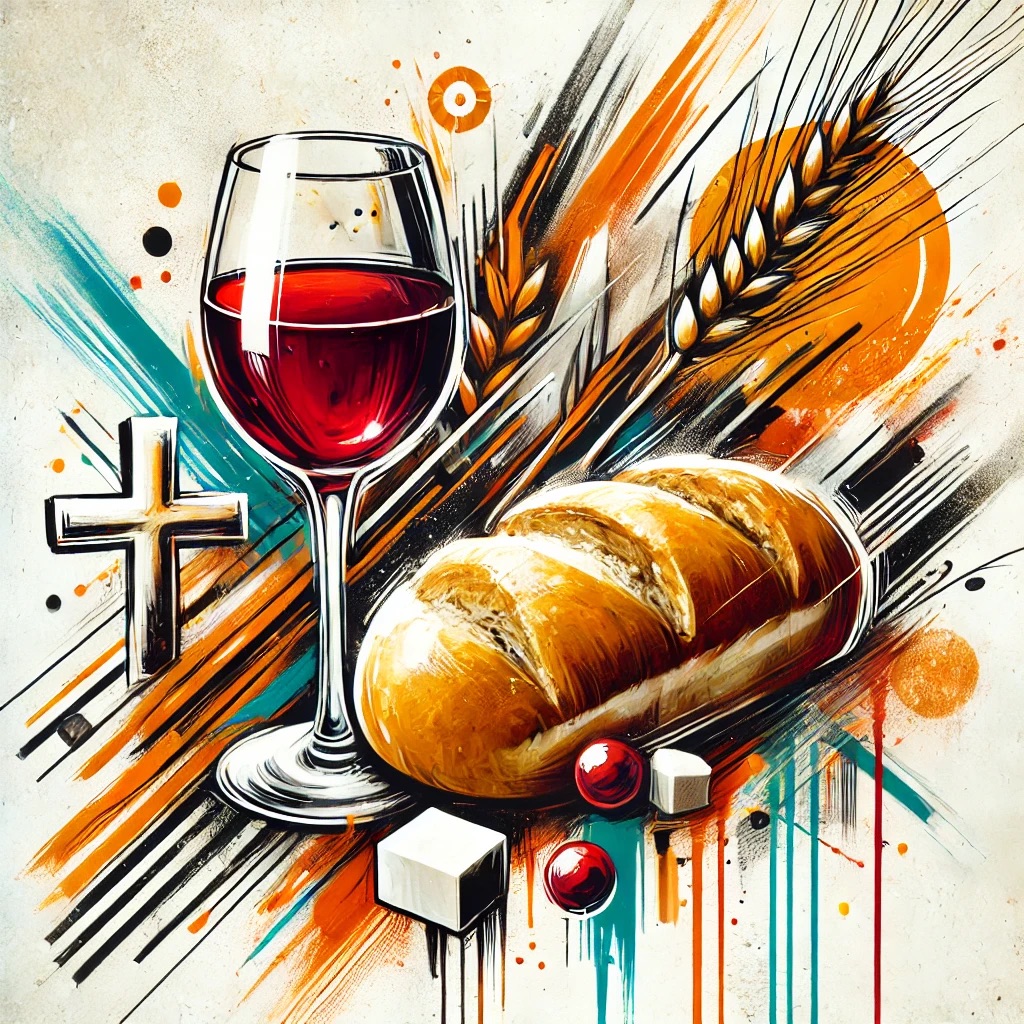
    Like many Jewish traditions, the Sabbath meal is full of meaningful symbols. One symbol that’s really taken on significance for me is bread and wine (or juice – the kids are underage).

    From a Christian perspective, bread and juice naturally connect to communion, serving as a weekly reminder of Christ’s incredible work on the cross. I may write more about that another time. But traditionally, they also symbolize God’s provision in our lives.

    At our Sabbath meal, we celebrate with two loaves of challah, a beautiful tradition that reminds us of God’s supernatural provision. These two loaves symbolize the double portion of manna that God provided to the Israelites in the wilderness.

    Each morning, fresh manna appeared with the dew—just enough for each household. But on the day before the Sabbath, something remarkable happened: God gave them twice as much, so they wouldn’t have to gather on their day of rest. What an incredible display of His kindness! Not only did He provide miracle bread, but He also ensured His people could enjoy a day of complete rest—free from worry and anxiety.

    This simple yet profound reminder sits on our Sabbath table, teaching us that God’s provision is not just sufficient; it is abundant, intentional, and filled with grace.

    Katrina and I have experienced this firsthand. For most of our marriage, we’ve lived by raising financial support, and we’ve seen God provide in the craziest ways. Early in our marriage, we stood in the kitchen staring at an empty fridge, wondering how we’d make it through the week until the next paycheck. Just then, the phone rang.

    “Hello?” I answered.

    “Hey, you were on my mind. I feel like God wants me to buy you groceries this week.”

    God has come through for us like this time and time again—whether in ministry or during the five years we pursued entrepreneurial endeavors. Each week, we remind our kids of His faithfulness and thank Him for past and future provision.

    What about you? How has God supernaturally provided for you? (I’d love to hear your story!)

    The juice represents God’s blessing on the work of our hands. While we don’t live by supernatural provision alone, Scripture is clear: “The one who is unwilling to work will not eat.” (2 Thess. 3:10) Yet, no matter how hard we work, we all experience a built-in reliance on God.

    Growing a vineyard takes faith. We can plow, plant, prune, and create the best environment, but we can’t make it rain. We can’t force the grapes to grow. Ultimately, the harvest depends on God.

    Psalm 127:1 echoes this truth: “Unless the Lord builds the house, the builders labor in vain.” No matter your career, hard work alone can only take you so far. It’s God who breathes life into our efforts.

    I often take this kind of provision for granted. That’s why each week, our family pauses to thank God for blessing the work of our hands. I invite you to take a moment right now to consider how He has provided for you. And then in your own way express gratitude to Him. 

    Prayer: Father, thank you for the ways that you have supernaturally provided and all the ways that you are going to in the future. And thank you for blessing the works of our hands.