My family and I love diving into different cultures. Each one offers a unique perspective on the world, and I think that’s a beautiful reflection of God’s eternality. We’re not experts in cultural anthropology (I had to look that up—it’s the study of cultures), but one culture we’ve really made an effort to learn about is Jewish culture. There are a couple of reasons for this. First, Jewish culture is so deeply intertwined with the Biblical story. Some holidays are directly commanded by God, like the ones God told the Israelites to celebrate every year. Others aren’t explicitly commanded but still show up in the Bible, often affecting the context of many stories.
Another reason we’re intentional about exploring Jewish culture is because Jesus was Jewish, and He would have celebrated these festivals throughout His life. Jewish holidays are full of rich symbolism, much of which points back to something about God.
One tradition our family has embraced is celebrating the Sabbath. It’s a weekly holiday (yes, weekly!) that Jewish people were commanded to observe. We don’t celebrate it because we feel obligated, but because we believe God wants to teach us—and our kids—valuable lessons through a day of rest, reflection, and receiving His blessing.
It’s a bit like Christmas in that every family expresses it in their own way. If you came to the Randall house to celebrate the Sabbath, you’d definitely experience something unique—and a little quirky!
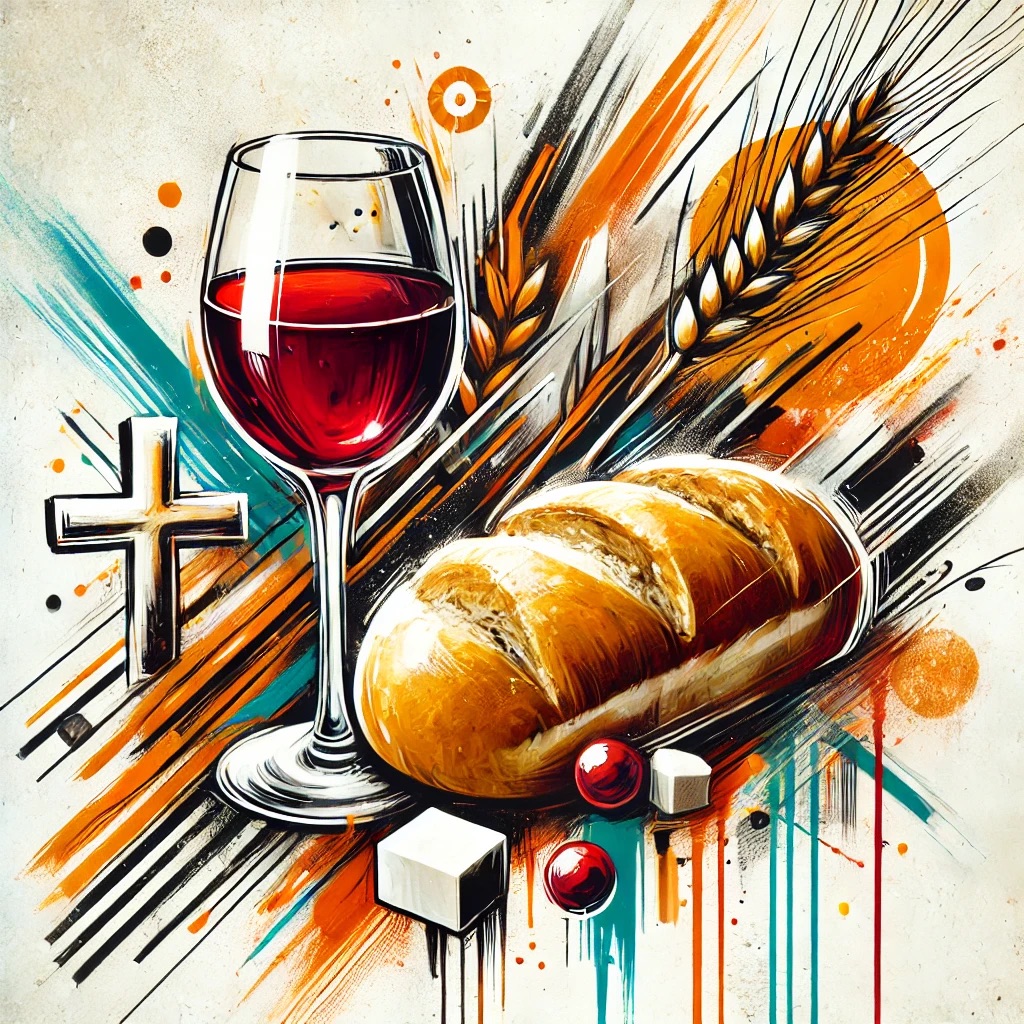
Like many Jewish traditions, the Sabbath meal is full of meaningful symbols. One symbol that’s really taken on significance for me is bread and wine (or juice – the kids are underage).
From a Christian perspective, bread and juice naturally connect to communion, serving as a weekly reminder of Christ’s incredible work on the cross. I may write more about that another time. But traditionally, they also symbolize God’s provision in our lives.
At our Sabbath meal, we celebrate with two loaves of challah, a beautiful tradition that reminds us of God’s supernatural provision. These two loaves symbolize the double portion of manna that God provided to the Israelites in the wilderness.
Each morning, fresh manna appeared with the dew—just enough for each household. But on the day before the Sabbath, something remarkable happened: God gave them twice as much, so they wouldn’t have to gather on their day of rest. What an incredible display of His kindness! Not only did He provide miracle bread, but He also ensured His people could enjoy a day of complete rest—free from worry and anxiety.
This simple yet profound reminder sits on our Sabbath table, teaching us that God’s provision is not just sufficient; it is abundant, intentional, and filled with grace.
Katrina and I have experienced this firsthand. For most of our marriage, we’ve lived by raising financial support, and we’ve seen God provide in the craziest ways. Early in our marriage, we stood in the kitchen staring at an empty fridge, wondering how we’d make it through the week until the next paycheck. Just then, the phone rang.
“Hello?” I answered.
“Hey, you were on my mind. I feel like God wants me to buy you groceries this week.”
God has come through for us like this time and time again—whether in ministry or during the five years we pursued entrepreneurial endeavors. Each week, we remind our kids of His faithfulness and thank Him for past and future provision.
What about you? How has God supernaturally provided for you? (I’d love to hear your story!)
The juice represents God’s blessing on the work of our hands. While we don’t live by supernatural provision alone, Scripture is clear: “The one who is unwilling to work will not eat.” (2 Thess. 3:10) Yet, no matter how hard we work, we all experience a built-in reliance on God.
Growing a vineyard takes faith. We can plow, plant, prune, and create the best environment, but we can’t make it rain. We can’t force the grapes to grow. Ultimately, the harvest depends on God.
Psalm 127:1 echoes this truth: “Unless the Lord builds the house, the builders labor in vain.” No matter your career, hard work alone can only take you so far. It’s God who breathes life into our efforts.
I often take this kind of provision for granted. That’s why each week, our family pauses to thank God for blessing the work of our hands. I invite you to take a moment right now to consider how He has provided for you. And then in your own way express gratitude to Him.
Prayer: Father, thank you for the ways that you have supernaturally provided and all the ways that you are going to in the future. And thank you for blessing the works of our hands.